How to play an .m3u8 (HLS) stream on Chromecast
Why Chromecast needs a sender app, how to cast an .m3u8 link from Android or from the browser, and what to check when the TV stays black.
https://www.electronics-engineering.com/how-to-stream-m3u8-on-chromecast
Questo articolo per ora è disponibile solo in inglese. La versione italiana è in preparazione.
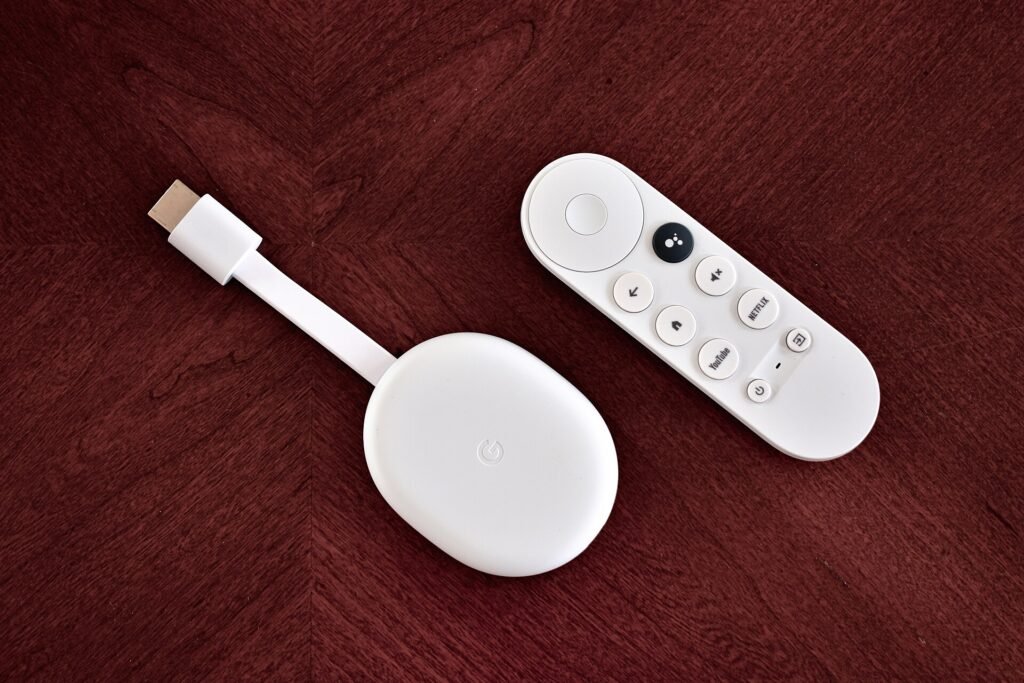
An .m3u8 address is an HLS stream: a small text file that lists short chunks of video, which the player downloads one after the other. Chromecast can play HLS perfectly well, but it has no keyboard and no address bar, so it cannot open a link by itself. Something has to tell it what to play. That something is a sender: an app on your phone or a page in Chrome that hands the address to the Chromecast and then acts as a remote control.
Once you see it this way, the options become clear.
Option 1: an Android app that supports casting
This is the method I use. In TVS Player you load a playlist (or a single .m3u8 link saved as a channel), start the channel and tap the cast icon. The phone sends only the address: the Chromecast downloads the stream directly from the server, so the phone can be locked or used for something else and the battery does not suffer.
VLC for Android can do the same from its Renderer menu. It is a good fallback because it can also convert formats that Chromecast does not understand, at the price of using the phone’s CPU while it plays.
Option 2: from the browser on a computer
The web player at tvsplayer.app has a Chromecast button when you open it in Chrome or Edge. The idea is the same: the page passes the address to the Chromecast, which plays it on its own.
Chrome also has Cast tab in its menu, which works with any page that plays video. Avoid it if you can: in that mode the computer records the screen and re-encodes it, so you get lower quality, some delay and a busy laptop.
When it does not work
If a link plays on the phone but stays black on the TV, the cause is almost always on the server side. These are the usual suspects, in order of how often I meet them:
- CORS headers. The Chromecast receiver behaves like a web page, and the stream server must allow it to read the files with the
Access-Control-Allow-Originheader. Many IPTV servers do not send it. An app that plays the stream on the phone does not care, a Chromecast does. - User-Agent or Referer required. Some playlists add
|User-Agent=...after the address because the server only answers to a specific player. The Chromecast cannot send those headers, so the server refuses it. - Codec. Older Chromecast models play H.264 and AAC. HEVC (H.265) needs a Chromecast with Google TV or a recent model, and audio in AC-3 may play without sound.
- Token expired. Some links contain a token valid for a few minutes. The phone got a fresh one, but by the time the Chromecast asks, it has already expired.
In the first two cases the only real fix is to let the phone do the work: VLC can stream to the Chromecast through the phone, so the server sees a normal player. It costs some battery, but it works with almost everything.
A quick test
Before blaming your Chromecast, try a stream that is known to be cast-friendly, such as the public HLS test streams many video libraries publish. If that one plays, your setup is fine and the problem is the specific link. If even that fails, check that phone and Chromecast are on the same Wi-Fi network and that the router does not isolate wireless clients (often called AP isolation or client isolation).


Hi, I am the author of “How to play an .m3u8 (HLS) stream on Chromecast”. Questions, doubts, error reports and requests for more detail are all welcome: write them below and I will answer. You can also rate the page with the stars at the top of the article.