Root locus in depth: the rules proved, difficult cases, MATLAB and Python
Angle and magnitude conditions, proof of all the rules, circular locus with a zero, departure angles, open-loop unstable process, locus with respect to a parameter, verified MATLAB and Python examples.
This page goes deeper into the lesson on the root locus. There the sketching rules are stated; here they are proved one by one, starting from the angle condition. Then we study the cases that cause difficulty in exercises: departure angles from complex poles, the circular locus of a system with a zero, the process that is unstable in open loop, the locus with respect to a parameter other than the gain. At the end are the examples in MATLAB and Python, with verified code.
Notation: 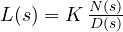 , with
 monic of degree
 and zeros
 ,
 monic of degree
 and poles
 ; the closed-loop poles are the roots of
 , for
 .
The rules, proved
Angle and magnitude conditions.  is equivalent to
 , a negative real number. A complex number is real and negative if and only if its argument is
 (up to multiples of
 ). Since
 , the angle condition follows; the magnitude gives the value of
 . Every rule below is a consequence of these two.
Rule 1 (symmetry). and have real coefficients, so the complex roots of  come in conjugate pairs: the locus is symmetric about the real axis.
Rule 2 (start and end). The polynomial has degree  for every : there are branches. As
 the equation becomes
 : the branches start from the poles. Dividing by ,
 : as
 , roots tend to the zeros. The other
 must go to infinity, because a polynomial of degree has roots and only can stay finite.
Rule 3 (real axis). For real  , every real pole or zero to the left of contributes an angle of 0°, every real pole or zero to the right contributes 180°, and a complex pair contributes opposite angles that cancel. The sum is
 , and it equals modulo if and only if that number is odd.
Rule 4 (asymptotes and centroid). For large  ,

with  , because
 (using the coefficients of and : the second coefficient of a monic polynomial is minus the sum of its roots). The locus equation becomes
 :
 . These are half-lines starting from
 with the angles of the lesson. ∎
Rule 5 (breakaway). Where two branches meet, has a double root  :
 and
 . Eliminating :
 , which is the numerator of
 . Equivalently, on the real stretch of the locus
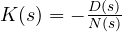 , and the breakaway point is a maximum (or minimum) of : there two real roots merge and become complex. ∎
Rule 6 (departure angles). Near a pole  , all factors except
 have almost constant argument, equal to their value at . The angle condition then gives the direction of departure:

and in the same way the arrival angle at a zero  .
Rule 7 (sum of the poles). If  , the coefficient of
 in does not depend on (because
 has degree at most
 ), so the sum of the closed-loop poles is constant. If one pair moves to the right, another branch must move to the left by the same amount: a very useful check on sketches.
Rule 8 (imaginary axis). The crossing points are the solutions of  : setting real and imaginary parts to zero gives
 and . It is the same information as the zero row in the Routh table.
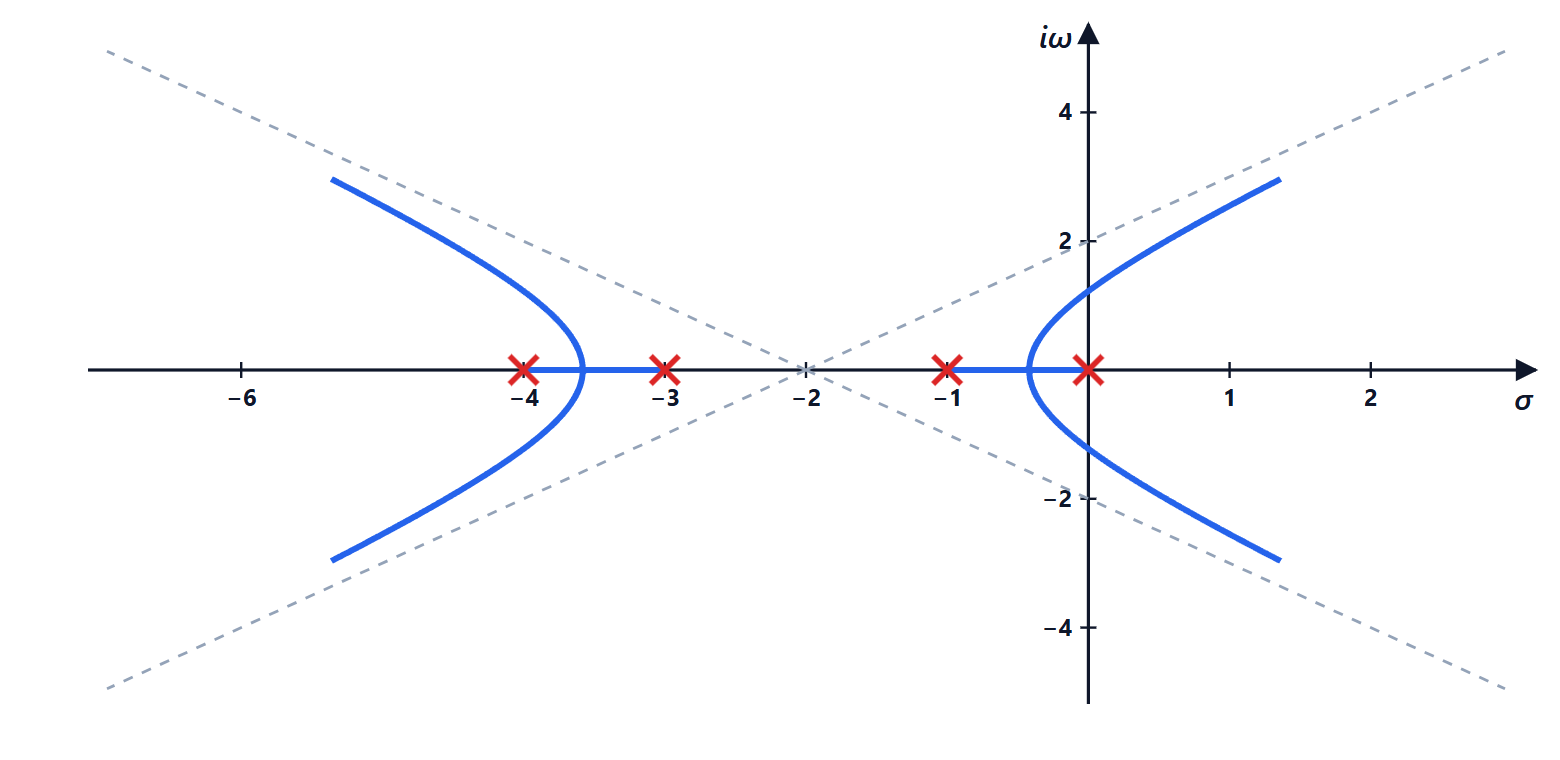
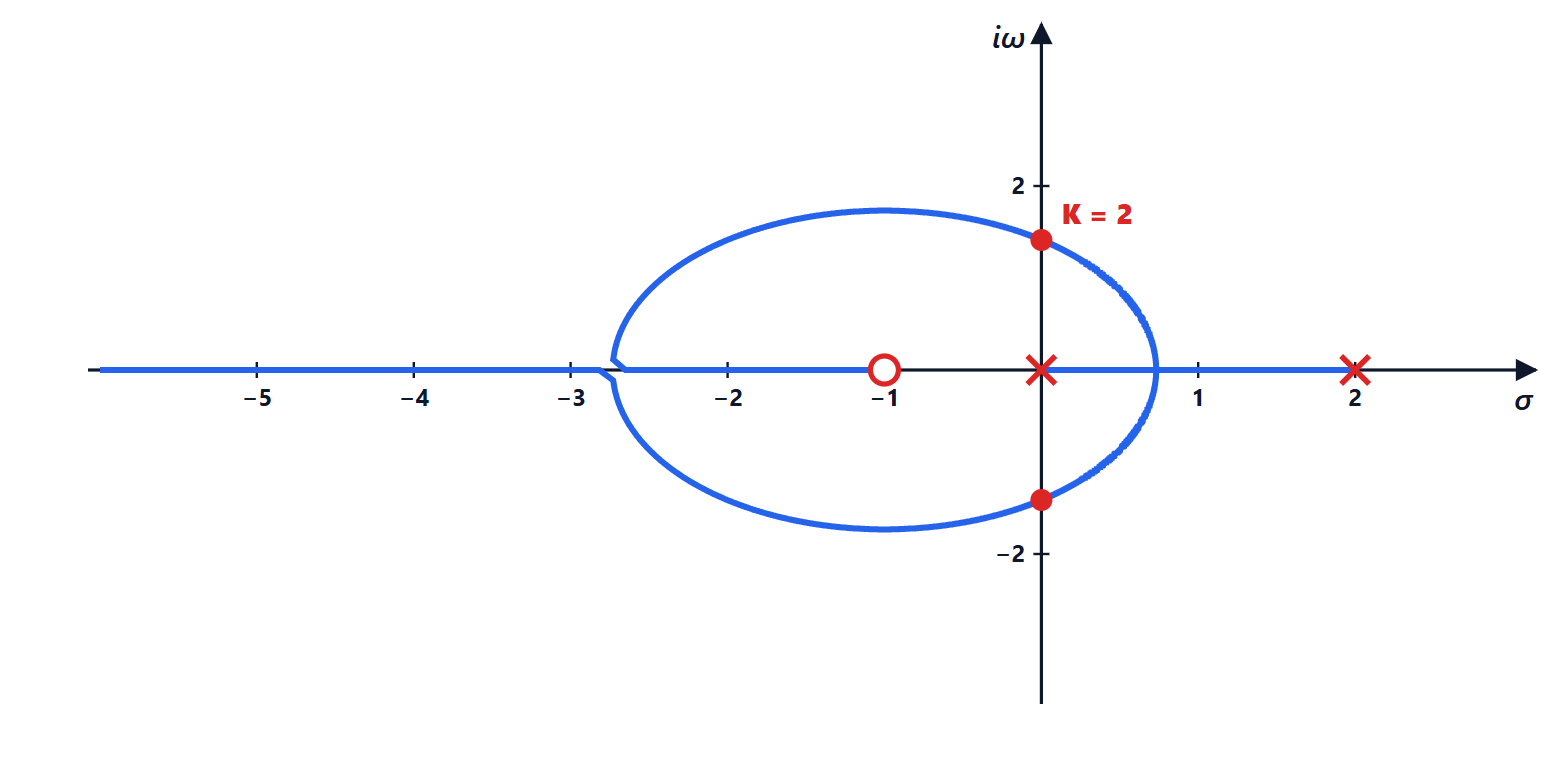
A zero and a circular locus

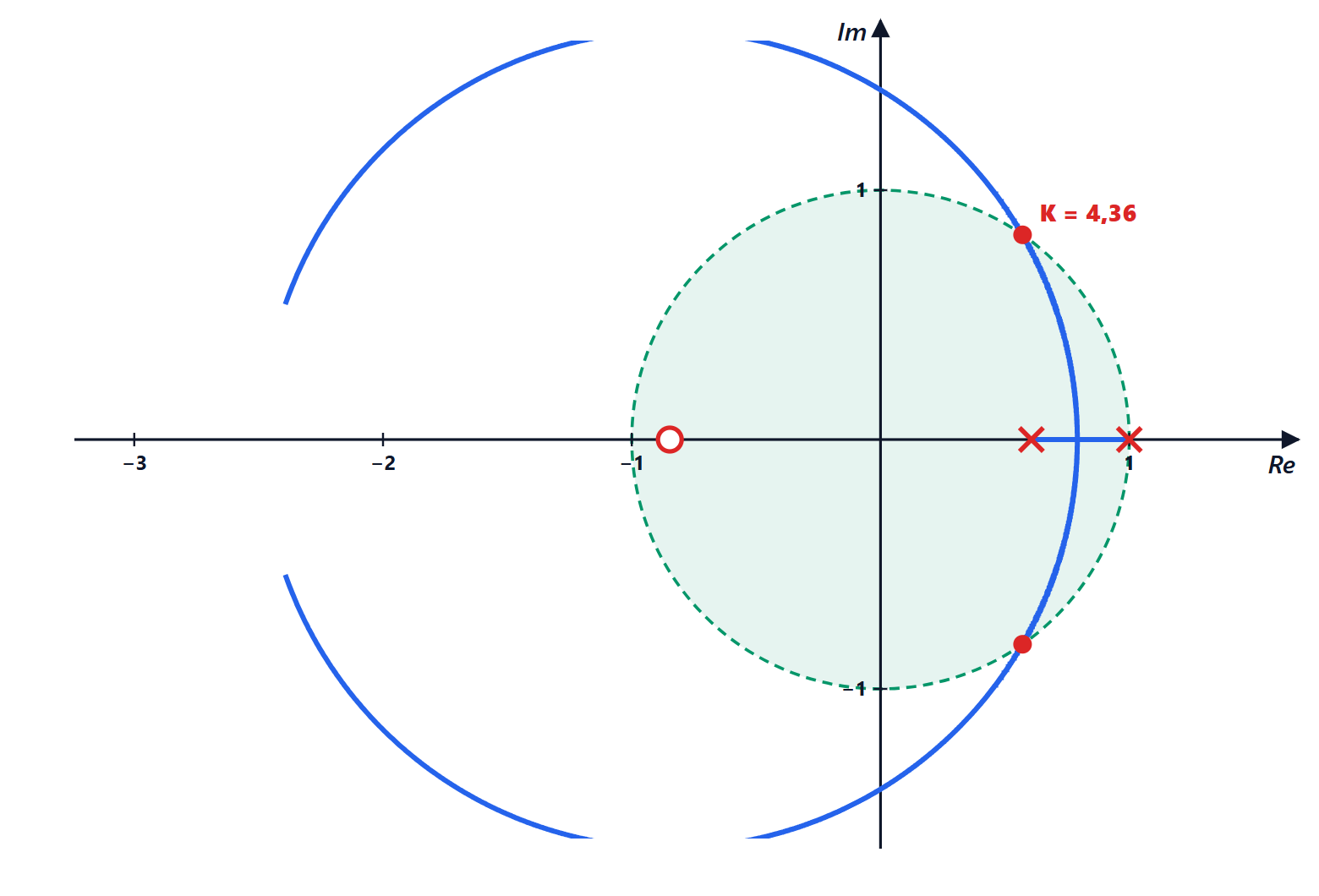
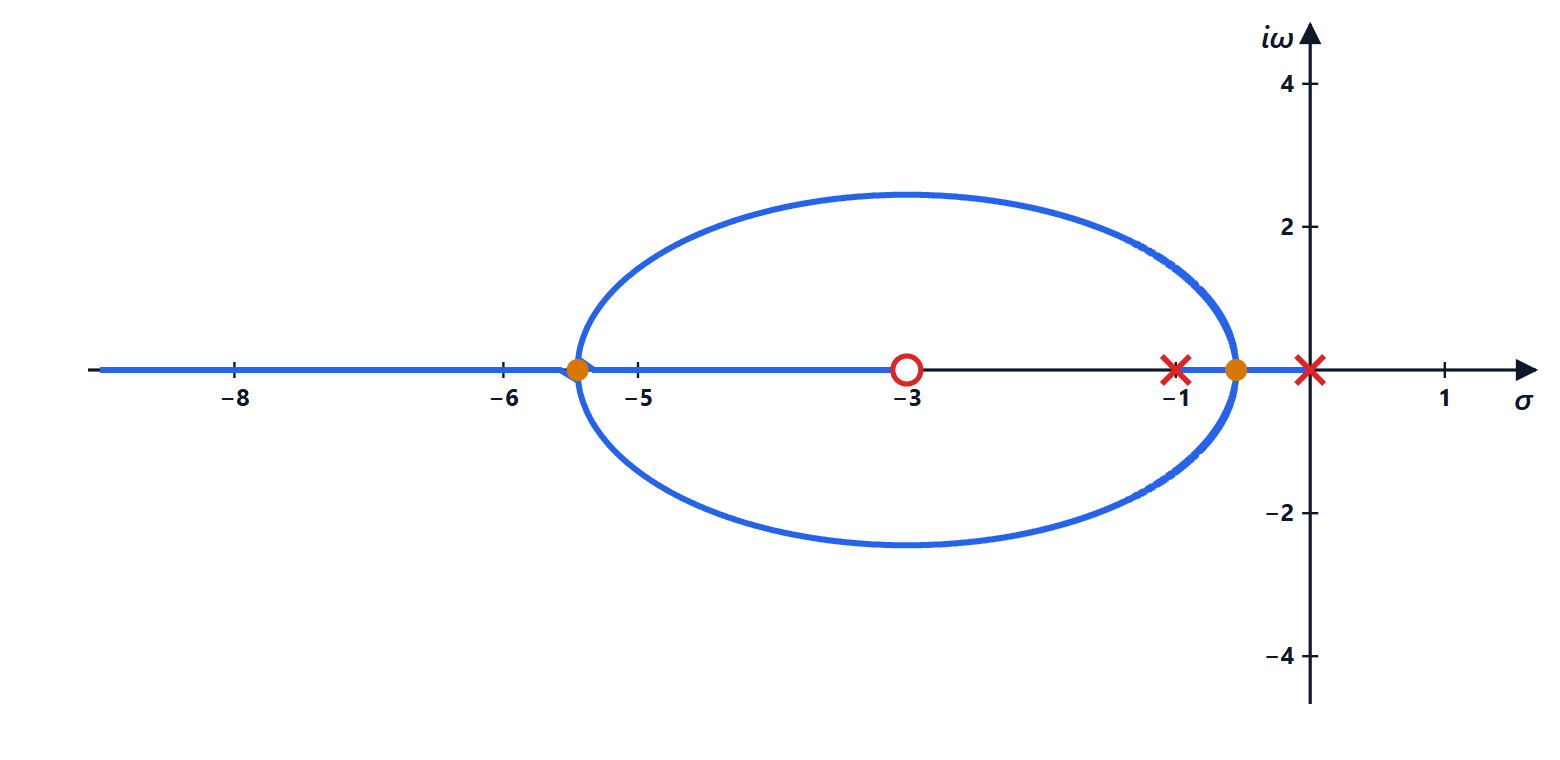
Real axis: the stretch between 0 and  and everything to the left of
 . Breakaway points:
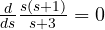 gives
 , i.e.
 (with
 ) and
 (with
 ).
Theorem. The complex part of the locus is the circle centred at (the zero) with radius  .
Proof. With  , the equation
 has complex roots with
 ,
 . From
 :
 , i.e.
 . ∎
In general, with two real poles and one real zero the locus is always a circle centred at the zero, with radius equal to the geometric mean of the distances of the zero from the two poles (here  ). The zero “attracts” the branches and keeps them in the left half-plane for every : this is the effect of derivative action (lead network or PD).
Complex poles: the departure angle

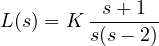
Poles at and  . Departure angle from
 :
 ;
 . So
 : the branch leaves upwards and to the right, and crosses the imaginary axis.
Crossing:  . With
 : real part
 , imaginary part
 . So
 and
 . Asymptotes: centroid
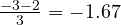 , angles
 and .
A process that is unstable in open loop
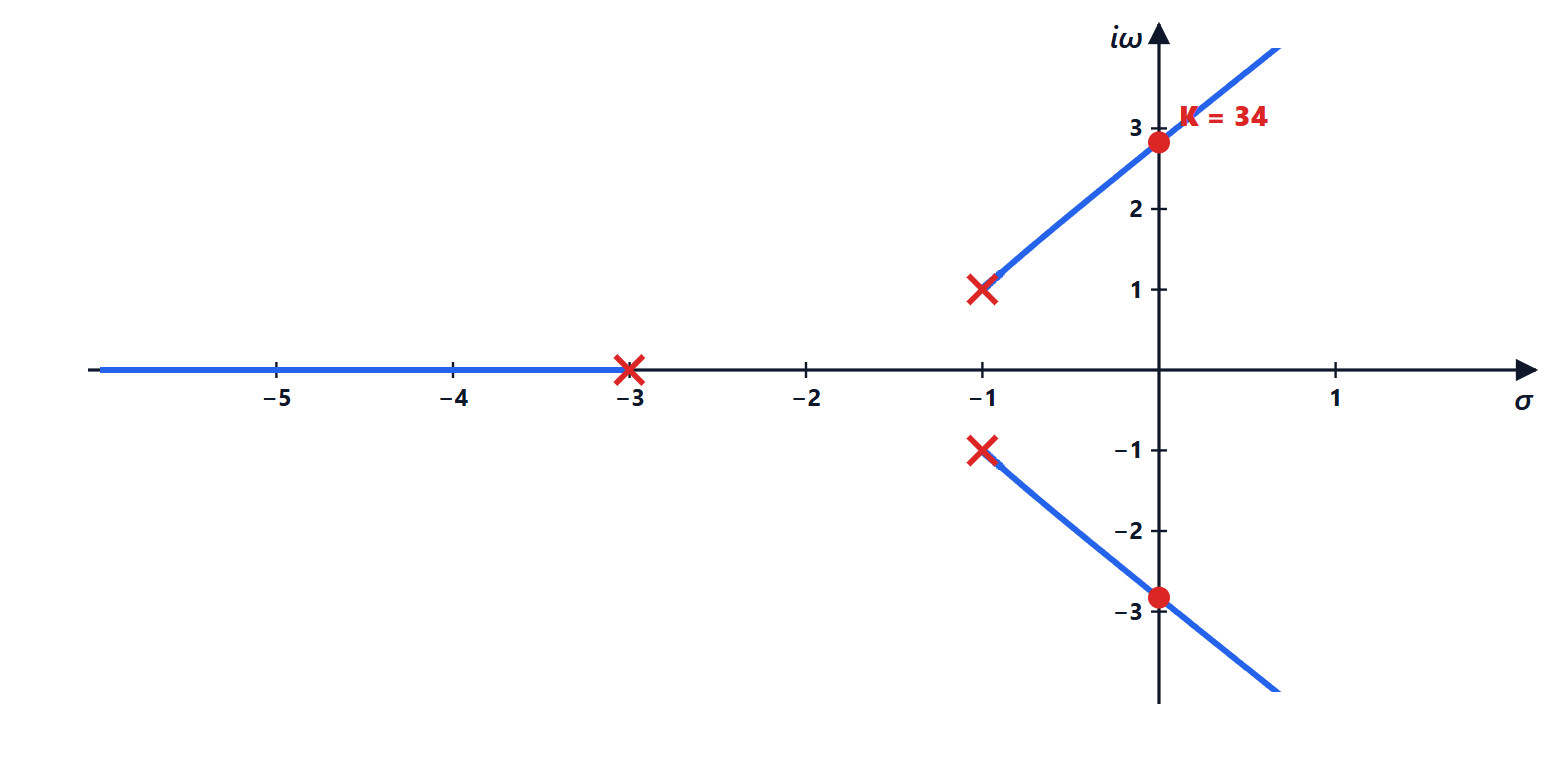
The pole at  makes the process unstable on its own. Characteristic equation:
 . By the Routh criterion (second order: all coefficients positive) the closed loop is stable for
 . The locus shows it: the branches start from 0 and from 2, meet on the real axis between the two poles, describe a circle around the zero at (centre , radius
 ) and cross the imaginary axis at
 for
 .
This is the typical situation of an inverted pendulum, a magnetic levitator or a fighter aircraft that is unstable by design: the feedback must have a minimum gain, and a failure of the controller is catastrophic.
The locus with respect to another parameter
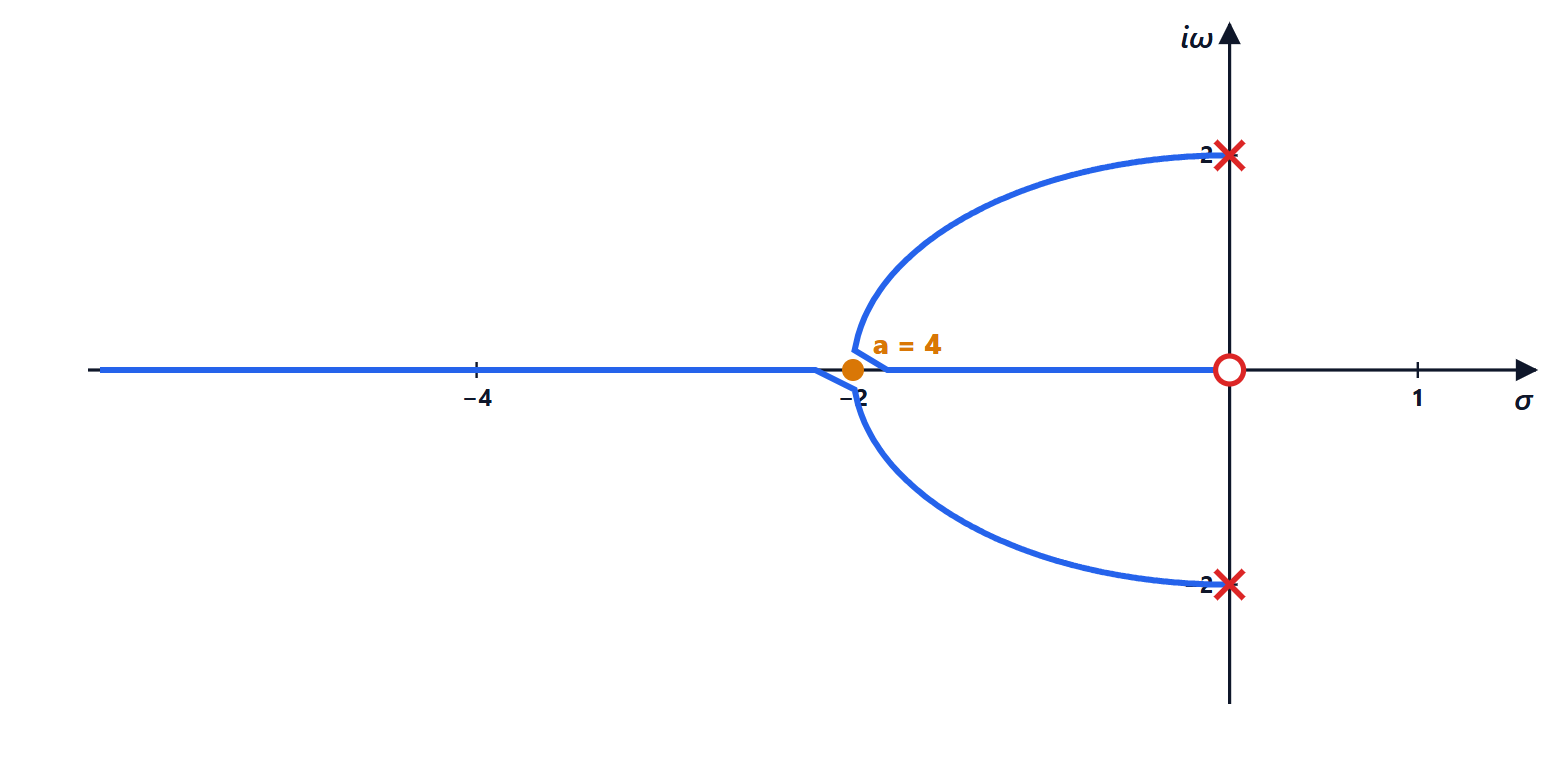
The method works for any parameter that appears linearly in the characteristic equation. Suppose we want to know how the poles of  move as the damping
 varies. Rewrite the equation as

which is a root locus with “gain” , poles at  and a zero at 0. The locus is a circle of radius 2 centred at the origin (the poles have modulus
 as long as they are complex): damping changes the angle of the poles but not the natural frequency
 . For
 the poles coincide at
 (critical damping).
The locus in MATLAB and Python
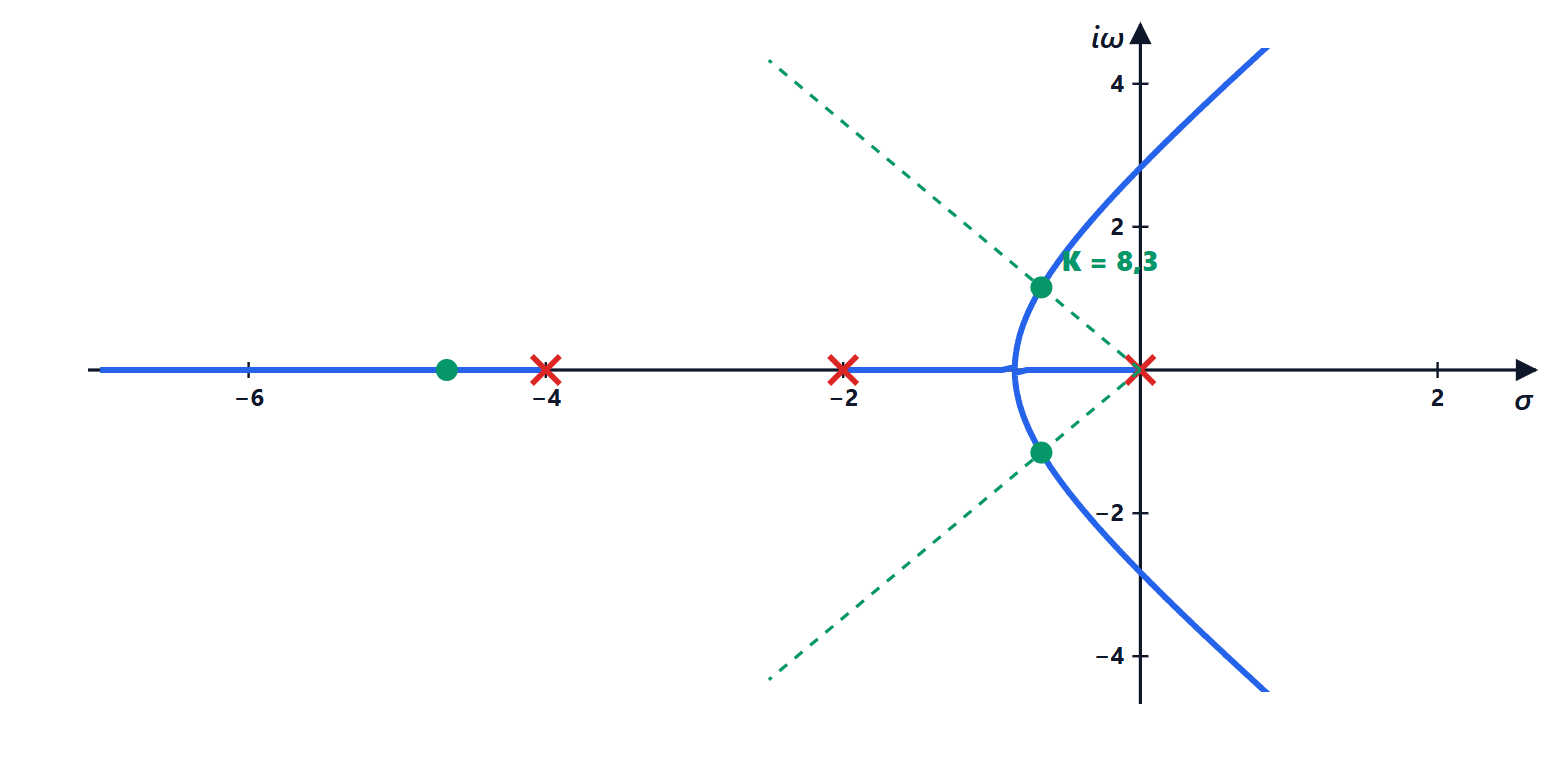
The locus of the lesson example,  , with the search for the gain that gives damping 0.5.
MATLAB (Control System Toolbox):
G = tf(1, [1 6 8 0]);          % G(s) = 1/(s(s+2)(s+4))
rlocus(G); sgrid(0.5, [])      % locus and damping line 0.5
[K, poles] = rlocfind(G)       % click on the desired point of the locus
T = feedback(8.3*G, 1); stepinfo(T)
Python (free libraries numpy and python-control):
import numpy as np
import control as ct

G = ct.tf([1], [1, 6, 8, 0])            # G(s) = 1/(s(s+2)(s+4))
rlist, klist = ct.root_locus(G, plot=False)

# gain for which the dominant pair has damping 0.5
for K in np.linspace(0.5, 47, 50000):
    p = np.roots([1, 6, 8, K])
    c = p[np.argmax(p.imag)]
    if c.imag > 0 and -c.real / abs(c) <= 0.5:
        print(f"K = {K:.2f}, poles = {np.round(p, 3)}")
        break

# critical gain: roots on the imaginary axis
print(np.roots([1, 6, 8, 48]))
T = ct.feedback(8.3 * G, 1)
print(ct.step_info(T)["Overshoot"])
Running it prints  with poles
 and
 , then the roots
 and
 for
 , and finally an overshoot of 15.5 %: slightly less than the 16.3 % of a pure second-order system with
 , because of the third pole at
 , which damps the response a little. With
plot=True (or with ct.root_locus_plot in more recent versions of the library) the plot is drawn with matplotlib.
Exercises covering all the cases on this page are on the exercise page linked at the top.